


The Authenticity Revolution: Why UGC and Social Proof Are Your Most Powerful Assets in 2025
In the digital landscape of 2025, the power has irrevocably shifted from polished brand narratives to the authentic voices of real people. Consumers are no longer passive recipients of advertising; they are active participants in a brand’s story. This is the era of User-Generated Content (UGC) and Social Proof, two forces that are not just trends, but fundamental pillars of modern marketing strategy.
The data is undeniable: a staggering 90% of consumers now report that UGC significantly influences their purchasing decisions. They find content from real users nearly 10 times more impactful than that of influencers. For brands, this translates directly to the bottom line, with those leveraging UGC seeing an average 29% increase in web conversions.
This isn’t just about marketing; it’s about human psychology. We are wired to trust our peers. When we see someone like us—a real person with real experiences—endorsing a product, it triggers a powerful cognitive bias known as social proof. It’s the digital equivalent of a friend’s recommendation, and it builds the one thing that ads struggle to create: genuine trust.
So, User Generated Content (UGC) should be selected over?
While user-generated content (UGC) shines in creating that relatable, authentic connection with audiences, it’s not a replacement for the traditional, polished content that serves as the backbone of any robust marketing strategy.
Classic content types—such as high-quality images, professional photography, carefully crafted infographics, campaign ads, introduction videos, and visually stunning ad films—play an essential role in establishing brand credibility and maintaining a cohesive identity.
These assets convey professionalism and reliability, showing your audience the quality they can expect from your brand.
Heading into 2025, the highest-quality traditional content will remain a necessity, providing the structure and authority around which UGC can revolve. Rather than replacing your current strategy, UGC should act as a powerful extension, adding that extra layer of authenticity to an already well-established and visually compelling presence.
The Science of Influence: How UGC Builds Unshakeable Brand Trust
Human behavior, even in the modern digital age, is deeply influenced by primitive instincts that date back to our earliest ancestors.
These instincts play a key role in how we make choices, particularly when it comes to trust and decision-making.
Why is a simple customer photo more potent than a high-budget photoshoot? The answer lies in evolutionary psychology. We are social creatures who have always relied on the experiences of our tribe to make safe and effective decisions. UGC taps directly into this instinct.
Authenticity as a Core Value: In 2025, authenticity isn’t a buzzword; it’s a consumer expectation. 60% of consumers state that UGC is the most authentic form of content, and they are more willing to spend money on brands they perceive as trustworthy.
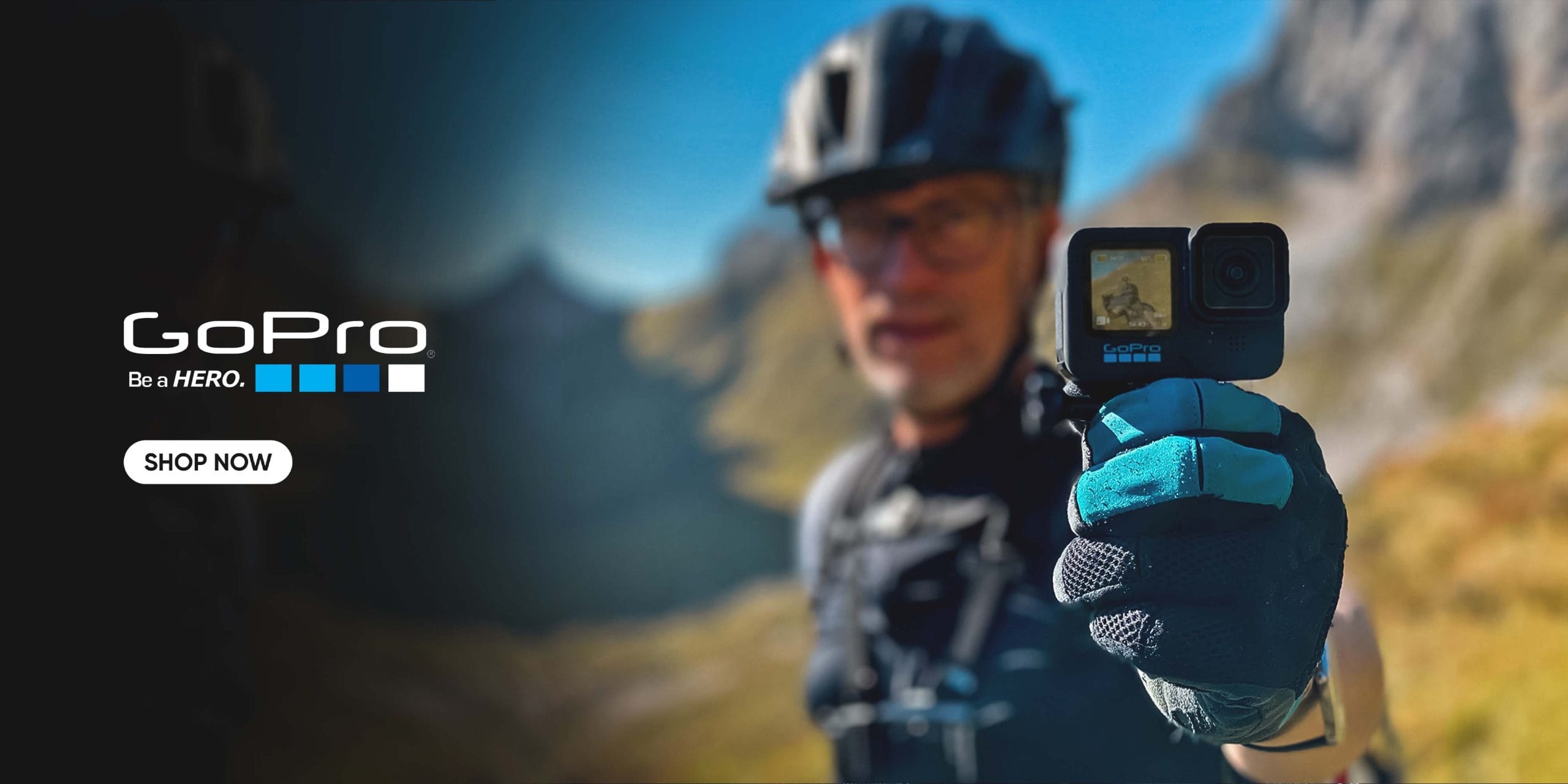
Building a Community, Not Just a Customer Base: Brands that master UGC, like GoPro, do more than sell products; they cultivate a community. By transforming their customers into heroes and showcasing their incredible content, GoPro built a self-sustaining ecosystem of brand advocates. This strategy continuously generates authentic marketing material while fostering deep loyalty.
Research in neuroscience and psychology shows that social validation and belonging are fundamental human needs, and they strongly influence our perceptions of value and trust. When people see others using or endorsing a product, it triggers a subconscious response rooted in survival instincts: we are naturally inclined to feel that what’s popular and trusted by others is safe and reliable.
Studies on the “herd effect”—a concept that describes people’s tendency to follow the actions of the group—reveal that when we observe others engaging with or approving of something, our brains release dopamine, the “reward” chemical. This reaction encourages us to feel more positively about the action or choice we’re seeing. In the context of UGC, seeing other people (especially people we can relate to) share their genuine experiences with a brand triggers these psychological responses. It creates a perception of authenticity and trustworthiness, which can be far more compelling than any traditional advertisement alone.
One famous study published in the Journal of Consumer Research highlighted how social proof and peer endorsement significantly affect buying behavior. When a product or service is accompanied by authentic user feedback, it activates a mental shortcut that researchers call the “like-me” bias: we’re more likely to trust people who seem similar to us and believe that their choices are relevant to our own. This is where UGC excels—it shows real people, in real situations, making real choices, which resonates on a psychological level. For CMOs, marketers, and SMEs, understanding these scientific principles can be a game-changer. UGC doesn’t just add content; it taps into fundamental human behaviors, making it a powerful complement to the traditional content that establishes your brand’s professionalism and quality.
Key Point 1: The Shift Towards User Generated Content (UGC) and Social Proof in 2025
In 2025, we’re seeing a shift that’s both inevitable and transformative. The rapid rise of UGC and social proof in marketing isn’t just a trend; it’s a response to a deeper psychological need in consumers. People are craving authenticity, and brands that can offer genuine, relatable content have the power to build lasting trust.
Think of it this way: UGC is like a communal campfire. In the past, brands spoke from the podium—polished, perfect, and distant. But now, brands that embrace UGC are coming down from the stage, sitting with their audience by the fire, and listening as much as they speak. When a brand shares user-generated content—whether it’s photos, videos, reviews, or stories from real customers—they’re inviting their audience to join them, to see themselves reflected in the brand.
Why User Generated content (UGC) and Social Proof Resonate So Deeply
There’s a compelling reason UGC resonates so strongly, and it boils down to trust. Behavioral science tells us that people tend to believe in experiences they can relate to or see validated by their peers. Think of it as a psychological shortcut: if people “like me” trust a product, there’s a better chance it will be worth my time and money, too. This sense of trust is often lacking in traditional ads, which can feel one-sided, self-serving, or even manipulative.
The Influence of “People Like Me”
Consider this: when we see a friend or someone with similar interests posting about a new product they’ve tried, our skepticism is naturally lower than if we saw that same product promoted in a typical ad. This is partly due to a cognitive bias known as the “mere-exposure effect,” which suggests that we develop a preference for things simply because we’re familiar with them. But with UGC, it’s more than just repeated exposure; it’s seeing the product in a context that feels personal and relatable. We’re witnessing the product as part of a real person’s life, and that carries a weight that corporate branding alone can’t replicate.
Real-World Example: GoPro and the Power of User Stories
One company that’s mastered this approach is GoPro. When GoPro was in its infancy, it didn’t just market itself as a “camera brand.” Instead, it became a storytelling platform, showcasing adventurous, authentic moments captured by its own users. From skydiving to surfing to family gatherings, GoPro’s content became a living, breathing representation of the brand’s values. Each piece of user-generated content wasn’t just an endorsement; it was a story, an invitation to join a community of thrill-seekers and memory-makers.
For GoPro, UGC was more than a strategy—it was a cultural shift. They actively encouraged users to share their experiences, even organizing contests and features to recognize the best content. In doing so, GoPro’s audience wasn’t just watching; they were participating. The brand became part of their lives, woven into each adventure and every story. This sense of inclusivity, of being seen and valued, is precisely what more brands will need to cultivate in 2025.
Questions for Reflection
As you consider UGC for your brand, ask yourself:
- How can we create opportunities for our audience to share their own stories?
- What kinds of content would make our brand feel more personal and relatable?
- How might we reward or recognize our audience’s contributions in a way that feels genuine?
In 2025, this shift toward authenticity will only intensify. Brands that thrive will be those that embrace the shared experience, inviting their audience to participate, to contribute, and to see themselves as part of a larger story. The question is, are you ready to invite your audience to join you by the campfire?
Key Point 2: Building Trust Through Social Proof—The Psychology Behind “Everyone’s Doing It”
Imagine this scenario: you’re deciding between two brands offering similar products, but one of them has hundreds of customer reviews, testimonials, and real-user photos while the other has just a few. Instinctively, you gravitate toward the brand with more social proof. This isn’t a coincidence; it’s a psychological principle at work. Social proof is essentially the idea that people look to others to determine what’s trustworthy, valuable, or worth trying. In 2025, leveraging this concept isn’t just an option; it’s essential for engaging and converting audiences.
Social proof taps into a basic human need for validation and confidence in decision-making. This need is even stronger in an age where audiences are overwhelmed with choices. By showcasing genuine experiences and stories from real customers, brands can alleviate that decision fatigue and give their audience the assurance they’re seeking. And, when combined with UGC, social proof becomes a powerful tool for building not only credibility but also a sense of community.
The Types of Social Proof That Resonate Most in 2025
Social proof can take many forms, but some stand out as particularly effective in today’s landscape. Here are the key types that SMEs, CMOs, and marketers should be prioritizing:
Customer Testimonials and Reviews
Authentic reviews and testimonials are cornerstones of social proof. But in 2025, it’s about going beyond the traditional star ratings and short blurbs. Detailed, story-driven testimonials help potential customers see not just what a product does but how it impacts lives. For example, a skincare brand could showcase before-and-after stories, with real customers talking about their skincare journey, struggles, and successes.
User Photos and Videos
Platforms like Instagram, TikTok, and YouTube have given rise to a new form of social proof: visual storytelling. When customers post photos and videos of themselves using a product in their real lives, they’re not just endorsing it—they’re showing others how it fits into their lifestyle. These authentic moments carry more weight than any ad could, as they feel genuine and unscripted.
Influencer Partnerships and Micro-Influencers
While traditional influencers still play a role, 2025 marks the rise of the micro-influencer. These are individuals with smaller, highly-engaged followings who often feel more relatable to audiences. For instance, a local fitness instructor sharing how a particular brand’s products support their health goals may come across as more genuine and trustworthy than a big-name celebrity partnership. Micro-influencers can help brands build niche communities and create a sense of shared identity with their followers.
Storytelling Through Social Proof: A Case Study
Consider a brand like Airbnb. Instead of focusing solely on amenities or pricing, Airbnb centers much of its marketing around user stories—stories of travelers, families, and solo adventurers experiencing life in unique locations around the world. By showcasing reviews, stories, and images from real users, Airbnb invites potential customers to envision their own journey, guided by the experiences of others. This approach creates a chain of trust that makes the brand feel accessible, dependable, and rooted in real people’s experiences.
Questions for Reflection
As you think about using social proof for your own brand, consider:
- What type of social proof aligns best with your product or service?
- How can you collect, curate, and present social proof in a way that resonates emotionally with your audience?
- Which platforms are most effective for your audience to see and engage with this social proof?

Key Point 3: Making Your Brand Relatable—The Power of “Brand Friendliness”
In today’s market, a brand can no longer afford to be faceless or distant. In 2025, the brands that succeed will be the ones that feel approachable, like a friend you’d feel comfortable having coffee with. This concept of “brand friendliness” doesn’t mean watering down professionalism; rather, it’s about making sure your brand voice is warm, relatable, and human.
Take Duolingo, for example. Known for its quirky, humorous approach to social media, Duolingo has created an identity that feels down-to-earth and welcoming, even as it promotes educational content. By adding personality to their brand, Duolingo has built a strong, loyal following that feels genuinely connected to the product—not just as users but as part of a shared experience.
Why Relatability Matters to Your Audience
People don’t just buy products; they buy experiences, solutions, and connections. When a brand feels like an extension of the community it serves, it creates an emotional bond that drives loyalty and advocacy. Brands that cultivate a relatable persona make customers feel like they’re part of something larger, fostering a sense of belonging and trust.
Ways to Build a Relatable Brand Persona
To develop a brand that feels approachable and “friendly” to your audience:
- Use Casual, Friendly Language: Write as if you’re speaking directly to a friend. This doesn’t mean ditching professionalism but rather avoiding corporate jargon in favor of clear, personable language.
- Show Behind-the-Scenes Moments: Share snippets of your team, processes, and daily operations. When customers see the humans behind the brand, it breaks down barriers and creates a sense of connection.
- Engage in Conversations: Respond to comments, ask questions, and encourage discussion on your posts. Treat each interaction as an opportunity to build a relationship, not just a transaction.
Questions for Reflection
As you shape a relatable brand persona, ask yourself:
- How can we adjust our tone to sound more approachable without sacrificing our professionalism?
- What behind-the-scenes stories could we share to help our audience feel closer to our brand?
- In what ways can we show up for our audience, not just as a business but as a brand that cares?
Building a Lasting Connection Through User Generated Content (UGC) and Social Proof
2025 is a year of transformation in the marketing world, and UGC and social proof are at the heart of that change. Brands that genuinely connect with their audience—by listening, sharing, and becoming “best friends” with their customers—are the ones that will thrive in this new era. By embracing user-generated content, showcasing authentic social proof, and crafting a relatable brand persona, businesses can create a community of loyal advocates, not just passive consumers.
Let your brand’s message be this: We see you, we hear you, and we’re here to grow alongside you. When brands and audiences connect as friends, the marketing isn’t just successful; it’s meaningful. And that’s the future of content strategy in 2025.
Fulfill your marketing knowledge or re-think your ad strategy with our blog posts. By clicking here, you can read all of our articles.

Written by Burak Arda Özgül
With over 7+ years of work experience, I have a wealth of knowledge and expertise in developing and implementing successful marketing, social media and content strategies to help my teams and operations thrive. From SEO/SEM to content creation and social media management, I have the technical skills and strategic mindset to increase online engagement, lead generation and brand awareness. I am someone to work with to achieve your corporate goals focused on performance and efficiency.



Leave a comment: